



Vinyl LP, Vinyl, T-Shirt/Shirt


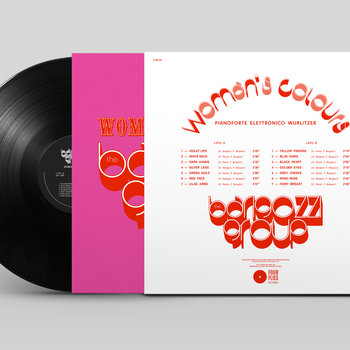
In the glory days of Italy’s library music session scene, Giancarlo Barigozzi and his cohorts were like Milan’s answer to L.A.’s legendary Wrecking Crew—if the latter were cutting one-size-fits-all soundtrack music for film and TV licensing. One main difference is that The Wrecking Crew never got to put their names on the records.
Sax/flute wizard Barigozzi and his peers worked on tons of sessions—and not just library music. They would get the call to come play when American jazz heavyweights blew through Italy, be it Joe Venuti or Gerry Mulligan. But in the wide-ranging world of library sessions, Barigozzi could wail in a genre-agnostic way, whether he was diving into electroacoustic experimentalism, chamber-jazz impressionism, early-adopter Afro-funk, or whatever else was on his calendar for that day.
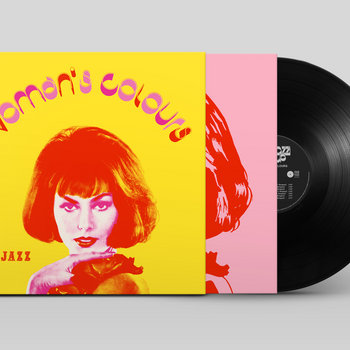
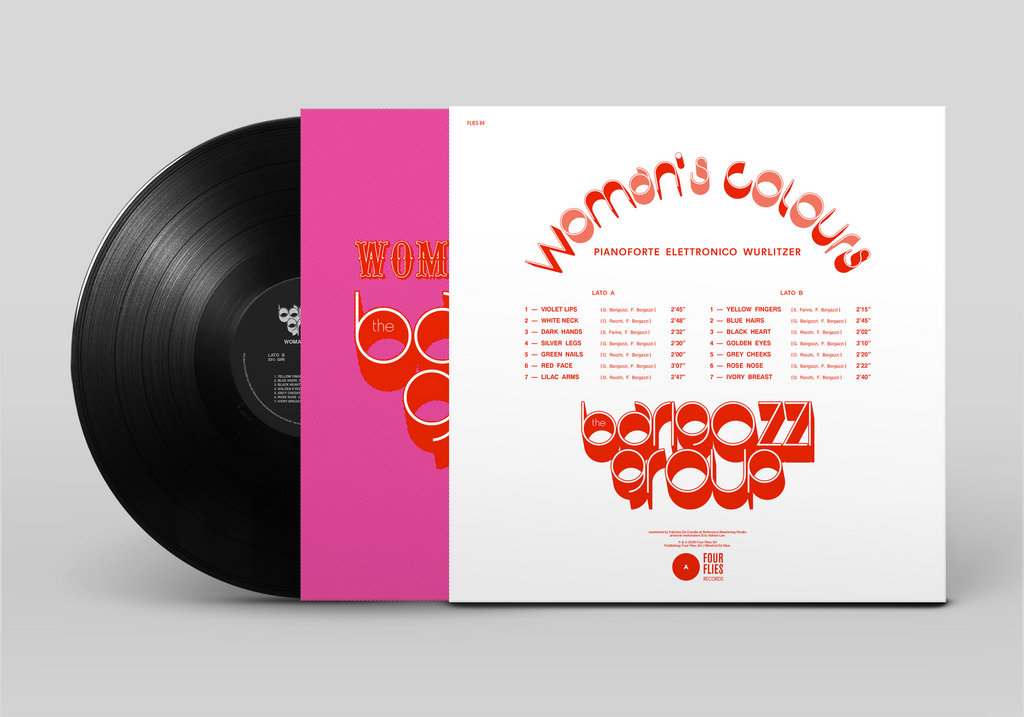
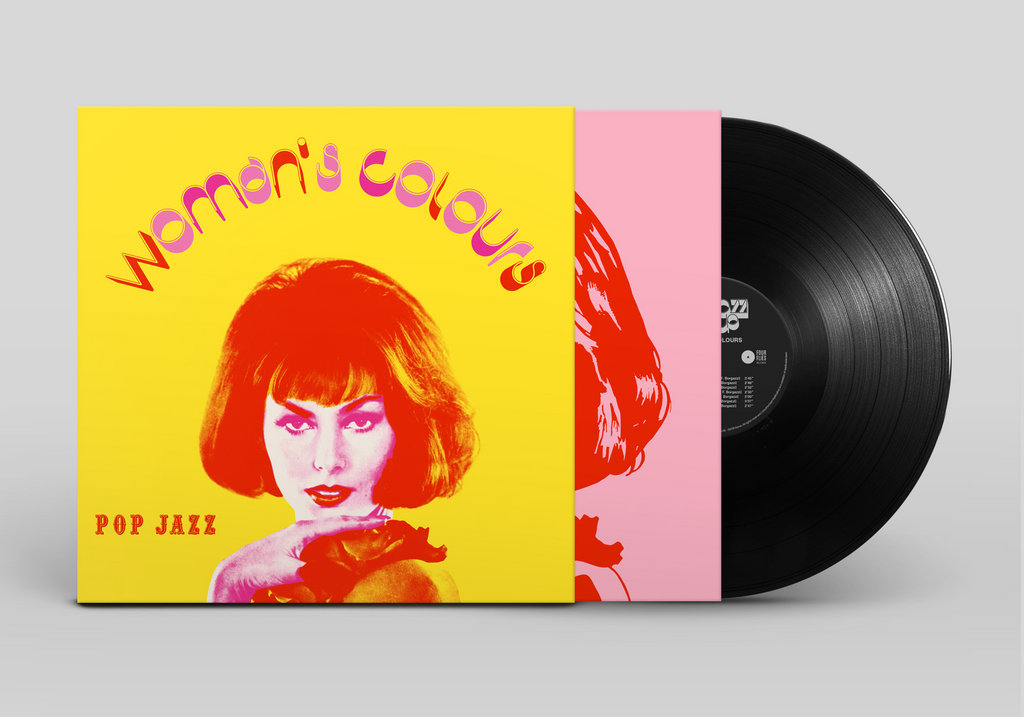
In the early ‘70s, he and running buddies like guitarist Sergio Farina and pianist Oscar Rocchi made library albums together under several names, including a few as The Barigozzi Group. Woman’s Colours, the 1974 release under that banner, has become a classic among library cultists. Hipper and harder-grooving than the earlier Barigozzi Group albums by a wide margin, it’s a jazz-funk holy grail for high-end crate diggers. Even though Woman’s Colours went more than 50 years without a reissue and, as a library record, was never available commercially, several of its tracks have been sampled internationally. And even a cursory listen makes it easy to understand why. In the mid-‘70s, the border between self-contained jazz-funk bands and the creators of cop-show/caper-flick deep grooves was as thin as it ever got, often becoming undetectable or non-existent. On Woman’s Colours you couldn’t find that line with a groove-sniffing search dog.
The album comes loaded with a nominal “concept” in that each track is named for a different color and body part. While it’s entirely possible that the idea was predetermined by Barigozzi and the band, it seems equally likely to have been tacked on by some other party post-recording. Either way, it has no discernible bearing on the contents, which is probably for the best. On the album’s biggest bangers, fancy chord changes and tricksy melodies take a distant backseat to modal burndowns, as Barigozzi, Farina, and Rocchi play their butts off, with some fiercely grinding grooves for propulsion.
“Dark Hands” sports a bounty of spidery guitar licks and some sensual flute punctuation atop a hurtling beat on what could almost be late-period Soft Machine soundtracking a car chase. “Yellow Fingers” features fuzzed-up fusion-guitar wailing and aggressively overblown flute over an oddly metered but undeniably kinetic groove. “Black Heart” burns from the inside with a sly, G-funk-ready mono synth; positively evil-sounding clavinet; chomping wah-wah guitar; and a barely earthbound bassline.
There are some crucial breath-catching opportunities peppered throughout the album too. The soft-pedaled “Blue Hairs” lets the synths off the leash for a track that feels destined to have been retitled “Love Theme from [fill in the blank].” And the bluesy “Silver Legs” bops amiably along at a measured pace, fueled by an insidiously earwormy riff that would’ve probably wound up on Paul’s Boutique if The Dust Brothers could’ve scored a copy of the original pressing. But now that Four Flies Records’ reissue has made Woman’s Colours exponentially more available, who knows? You might hear samples sneaking into places where you least expect it.
La Colección
Álbumes citados

Guardá un disco en tu colección y te avisamos cuando aparezca a la venta.
Fuentes
Jim Allen
Bandcamp
2 de junio de 2026 · 1 min lectura
También te puede interesar


